guides
Reusing What Remains
On finding new form in fragments of stone.
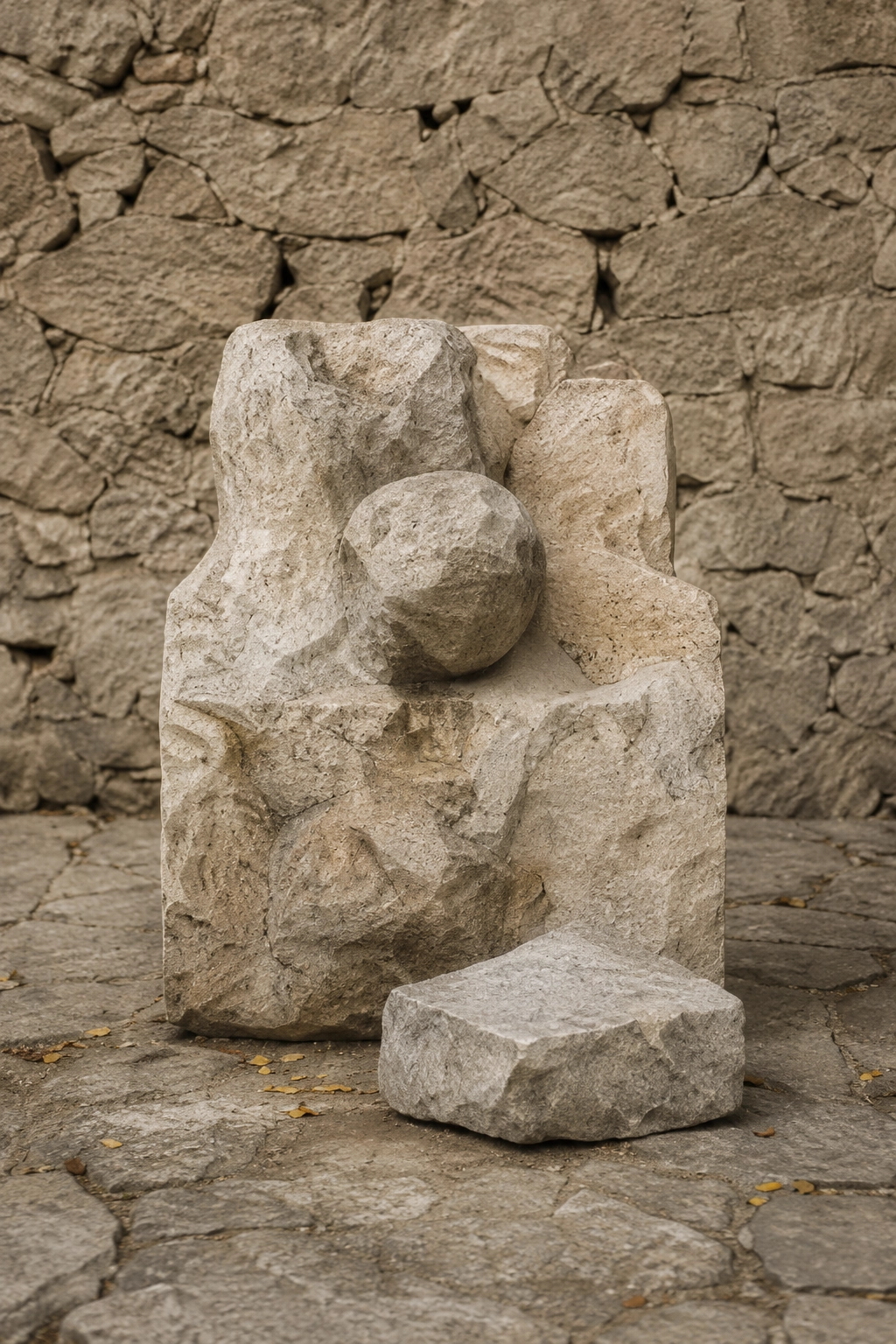
Marble begins long before us. Formed over immense stretches of geological time, it carries veins, fissures and shifts of colour that no drawing could fully invent. Yet in fabrication, pieces that fall outside standard dimensions are often set aside: broken slabs, narrow remnants and circular cut-outs left behind by sinks and countertops.
These fragments invite another way of designing.
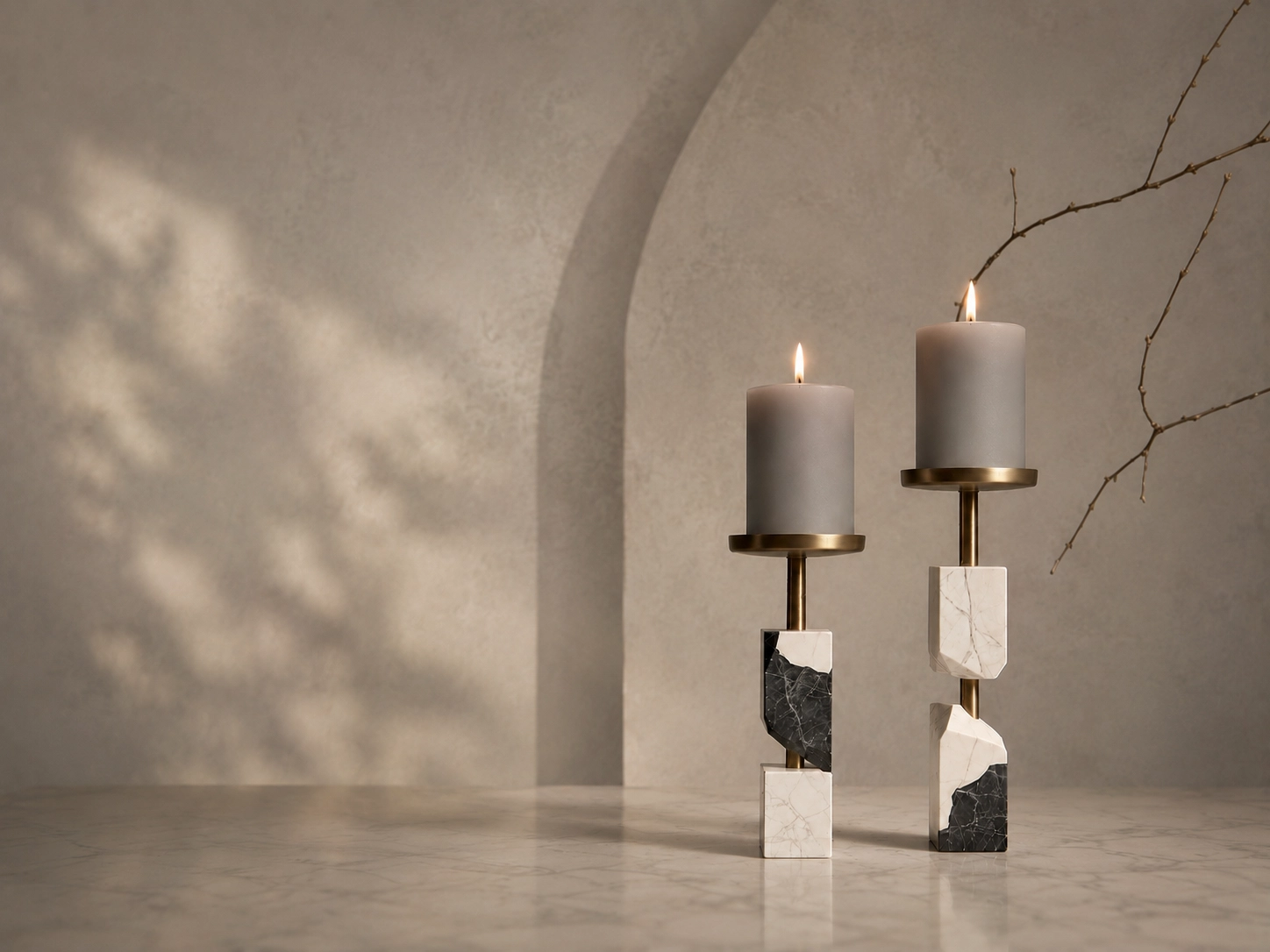
Rather than beginning with a fixed form and searching for the material to realise it, the process starts with what already exists. Each piece is studied for its weight, edge, proportion and particular markings. A fracture may determine a silhouette. A cut-out may become the centre of a sculptural composition. Several remnants may gather into an object that feels solid and architectural, yet intimate enough to live beside us.
The marks of a former purpose are not erased. They become part of the character of the new form, allowing the stone to retain its history while acquiring another presence.
Working in this way preserves a precious natural material, but it also opens a more instinctive creative process—one guided by irregularity, restraint and discovery.
What remains is not secondary. In the right hands, it can become something quiet, enduring and unexpectedly tender.
TAGS
Architecture, Heritage, Materials
YOU MIGHT ALSO LIKE